
Free English practice for primary school, written for the national curriculum in England. Every topic has self-marking practice that makes new questions each time, a short explanation for parents and printable A4 worksheets with answer keys.
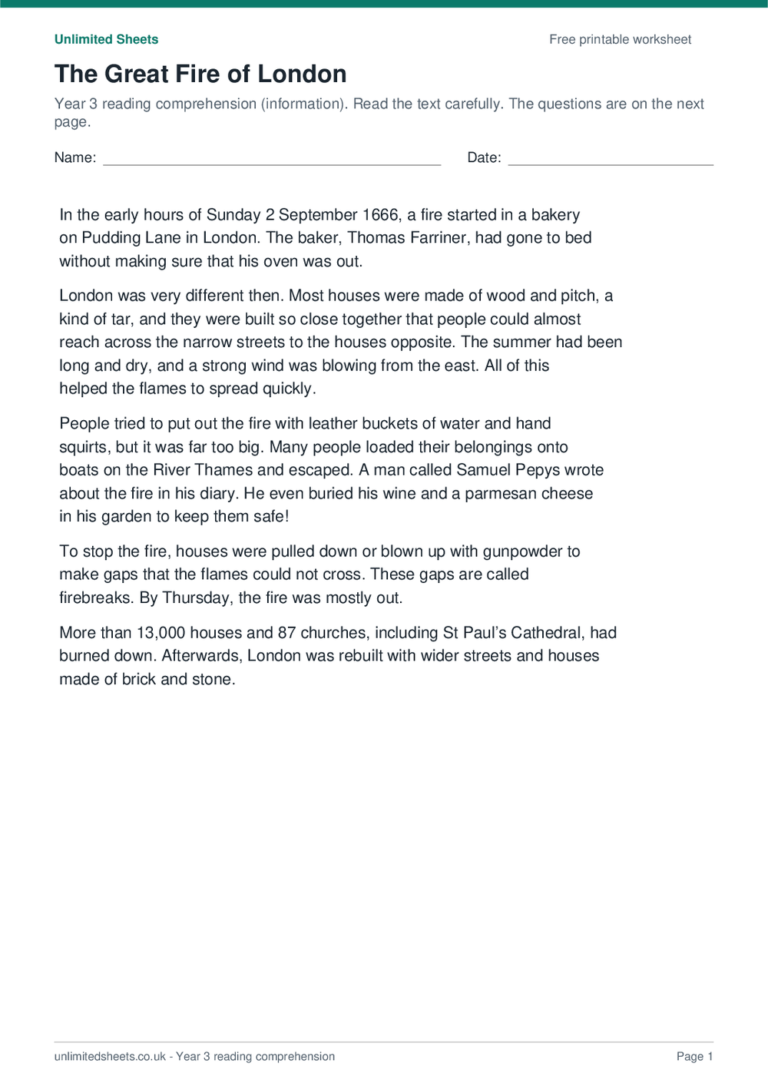 Reading comprehensionYears 1–6Twenty-four original texts with self-marking questions that explain every answer.
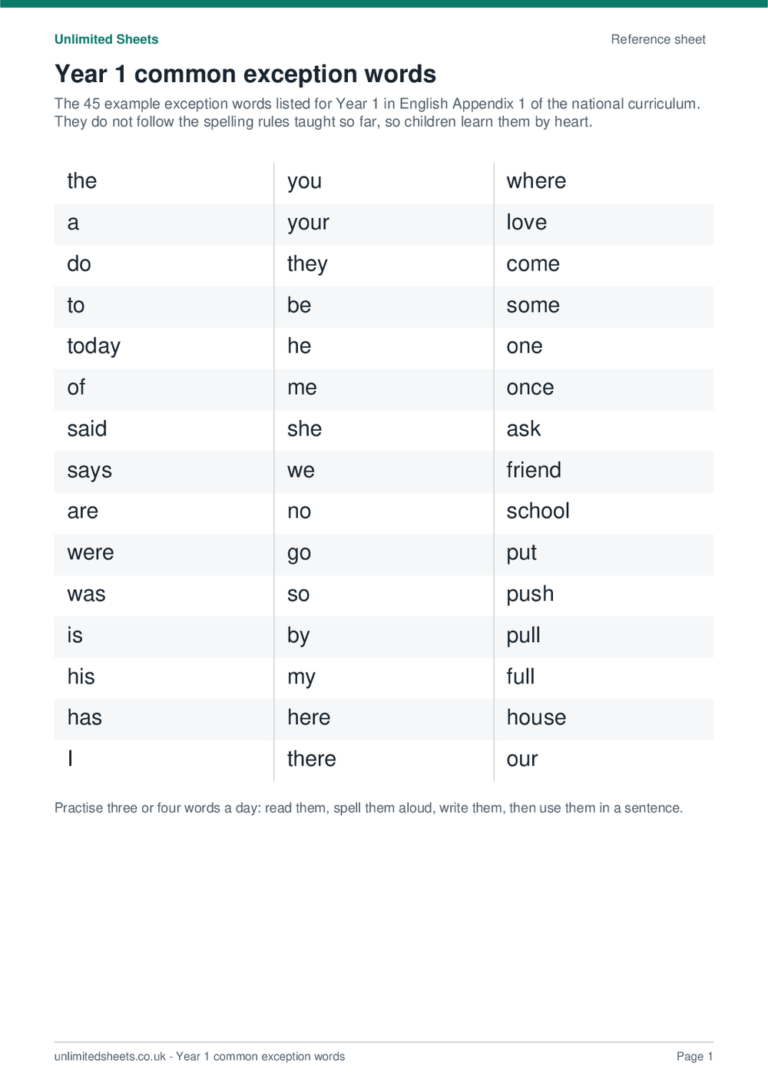 Common exception wordsYears 1–2The 45 Year 1 and 64 Year 2 words, with audio practice and printable lists.
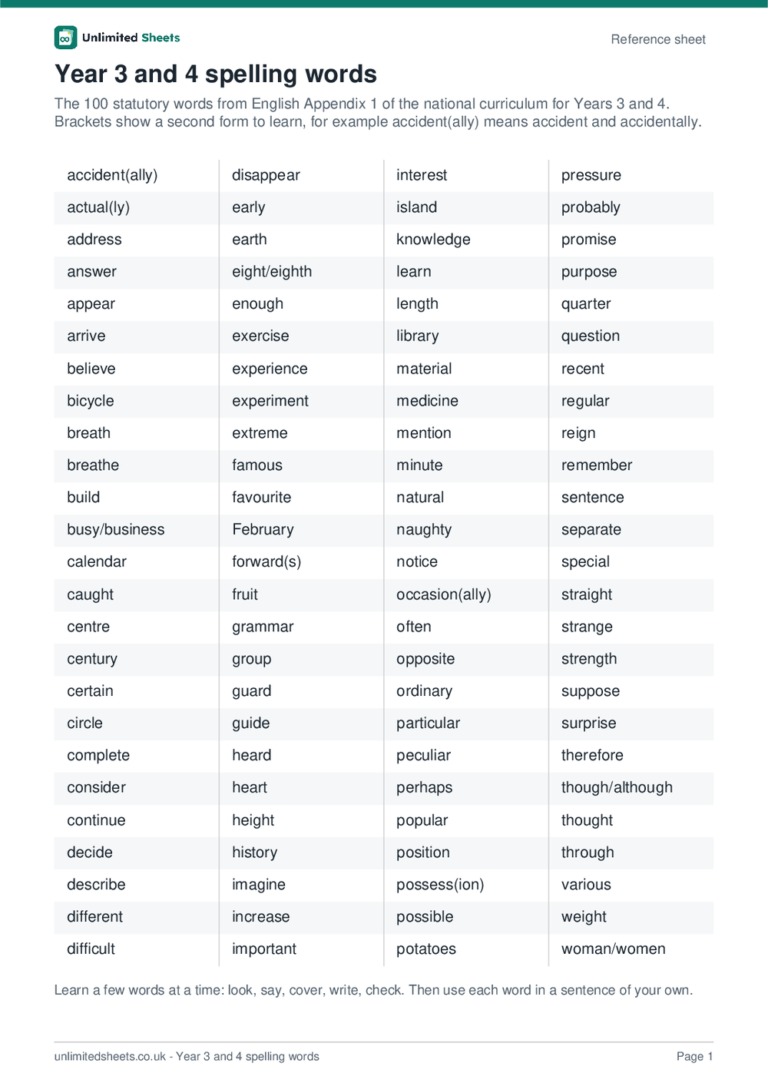 Spelling wordsYears 3–6Both statutory lists, audio dictation, look-cover-write and spot the mistake.
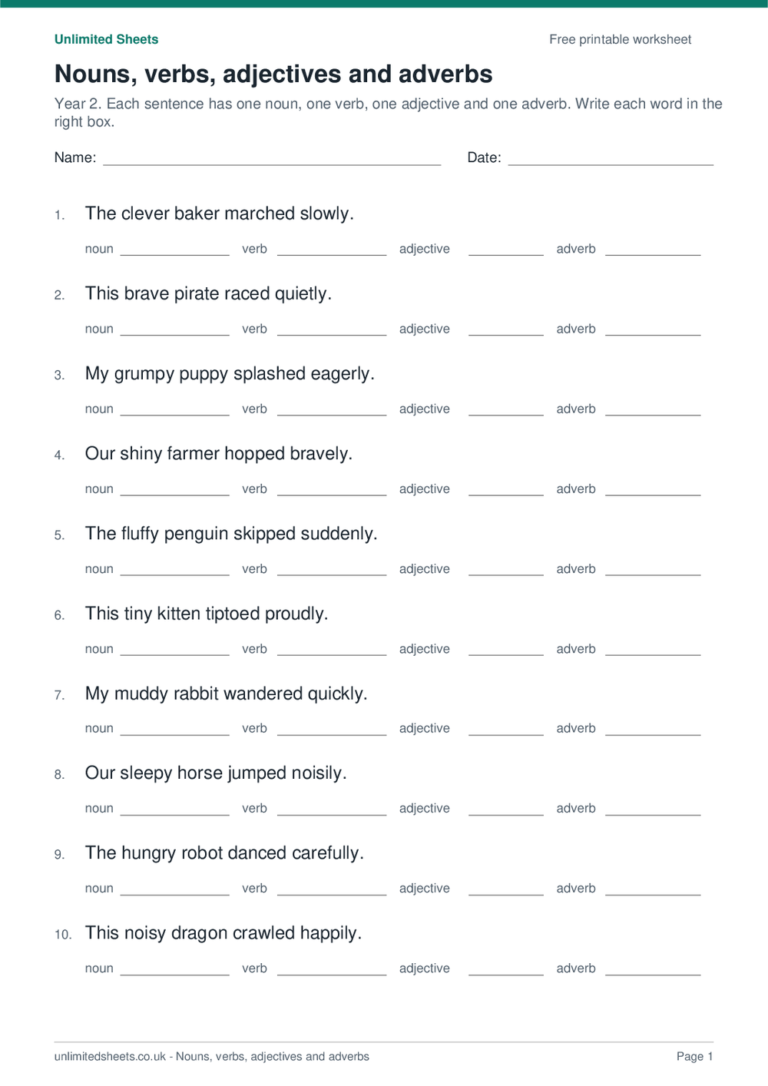 Word classesYears 2–4Nouns, verbs, adjectives, adverbs, prepositions, conjunctions, determiners and pronouns.
 PunctuationYears 1–4Capital letters, end marks, apostrophes and inverted commas for speech.
What each year group learns
| Year | Spelling | Grammar and punctuation |
|---|---|---|
| Year 1 | Phonics and Year 1 exception words | Capital letters, full stops, question and exclamation marks |
| Year 2 | Year 2 exception words; suffixes such as -ment, -ness and -ful | Nouns, verbs, adjectives and adverbs; sentence types; apostrophes |
| Year 3 | Year 3 and 4 statutory word list | Prepositions and conjunctions; inverted commas |
| Year 4 | Determiners and pronouns; plural possession | |
| Year 5 | Year 5 and 6 statutory word list | Modal verbs, relative clauses, brackets and dashes |
| Year 6 | Passive voice, colons, semicolons and hyphens |
Spelling games
Three quick, no-sound games that use the official word lists for every year: spelling games.
Grammar terms explained
Modal verbs, relative clauses, the passive voice, apostrophes, homophones and the other terms children meet from Year 2 to Year 6 each have their own page, collected on KS2 grammar.
How to use the English practice
Short sessions work best: one level, ten questions, then check. If a question goes red, open the explanation underneath before trying a new set. The printable sheets cover the same skills on paper, with the answers on page 2 so children can mark their own work.
For reading, every year group has four original texts on the reading comprehension page: a story and three other kinds of text, such as instructions, a poem, a letter, a playscript or a biography.
Coming next: Year 5 and 6 grammar, from modal verbs and relative clauses to the passive voice.
Looking for numbers instead? See all maths topics.
Updated 23 November 2026.